The Best New Caravans for 2026: How to Choose the Right Model for You
From lightweight two-berths to spacious family layouts and premium eight-foot-wide tourers, the 2026 market offers more choice than a simple league table can explain.
A strong year for choice across every caravan category
The 2026 caravan market includes compact lightweight models, traditional two-berths, fixed-bed layouts, family caravans, eight-foot-wide tourers and high-specification premium models.
Rather than declaring one caravan the universal winner, this guide explains how to identify the strongest option for your own holidays, tow car, budget and ownership plans.
Searching for the “best caravan of 2026” sounds straightforward, but the answer changes completely from one buyer to another. A lightweight two-berth may be perfect for a touring couple, while a family with children may need permanent beds, more storage and clearly separated living areas.
Some buyers want a caravan that can be towed by a medium-sized car. Others prioritise an island bed, generous washroom or eight-foot body width. Buyers planning longer seasonal stays may value interior space differently from owners who move site every few days.
Price is important, but it should not be considered in isolation. Payload, towing suitability, heating, warranty, included equipment, build quality, servicing support and the everyday practicality of the layout all affect long-term value.
The best new caravan is therefore the one that fits your real requirements without forcing you to accept unnecessary weight, cost or complexity.
Four decisions to make before comparing models
What stands out in the 2026 caravan market?
Manufacturers continue to serve a wide range of buyers rather than moving towards one dominant type of caravan. The current market includes entry-level models, lightweight designs, traditional luxury tourers and larger family layouts.
Practical comfort remains a strong theme. Buyers can choose from compact caravans with carefully designed storage through to eight-foot-wide models offering more generous lounges, bedrooms and washrooms.
Fixed beds remain prominent, with transverse and longitudinal island beds, French beds and fixed single beds appearing across different ranges. Family buyers can also find bunk-bed, side-dinette and multi-purpose layouts.
Modern specification increasingly includes features such as solar panels, wireless phone charging, improved entertainment preparation and enhanced connectivity options. However, buyers should judge whether those features add meaningful value to their own trips.
Prioritise the layout, weight, payload and support available. Technology and accessories are useful only when they suit the way you travel.
What the 2026 award categories tell buyers
The Caravan and Motorhome Club’s 2026 Caravan Design Awards divided entrants into practical categories rather than choosing one overall caravan for every buyer.
Categories included lightweight caravans between 750kg and 1,150kg, caravans below a set price point, two-berths, fixed double beds, fixed single beds, five- and six-berths, family caravans, eight-foot-wide models and premium caravans.
This is a useful way for buyers to approach the market. First identify your category, then compare the strongest caravans within it.
Award judging can provide an informed starting point, but it cannot replace physically viewing a caravan. Personal comfort, storage requirements and towing suitability remain individual decisions.
For buyers prioritising lower weight and easier towing.
Flexible lounges, compact dimensions and traditional layouts.
Permanent sleeping arrangements with less daily conversion.
Bunks, dinettes and layouts designed for several occupants.
More generous interior proportions for longer stays.
Higher specifications, finishes and comfort features.
Best for easier towing: lightweight caravans
Lightweight caravans can be attractive to first-time owners, buyers with smaller tow cars and tourers who want a more compact outfit.
Lower weight may widen the range of compatible vehicles, but the caravan still needs to be matched carefully with the exact car, engine, gearbox and permitted towing limits.
Compact design usually requires compromises. The washroom may be smaller, storage may be more limited and beds may need to be made from the lounge each evening.
Consider payload particularly carefully. A caravan may have an attractive low unladen weight but still offer limited capacity for clothing, food, water, gas and touring equipment.
Lightweight does not necessarily mean basic. Current models can still include year-round heating, practical kitchens and thoughtful storage, but every kilogram of optional equipment affects the remaining payload.
Best for couples: two-berth and compact four-berth layouts
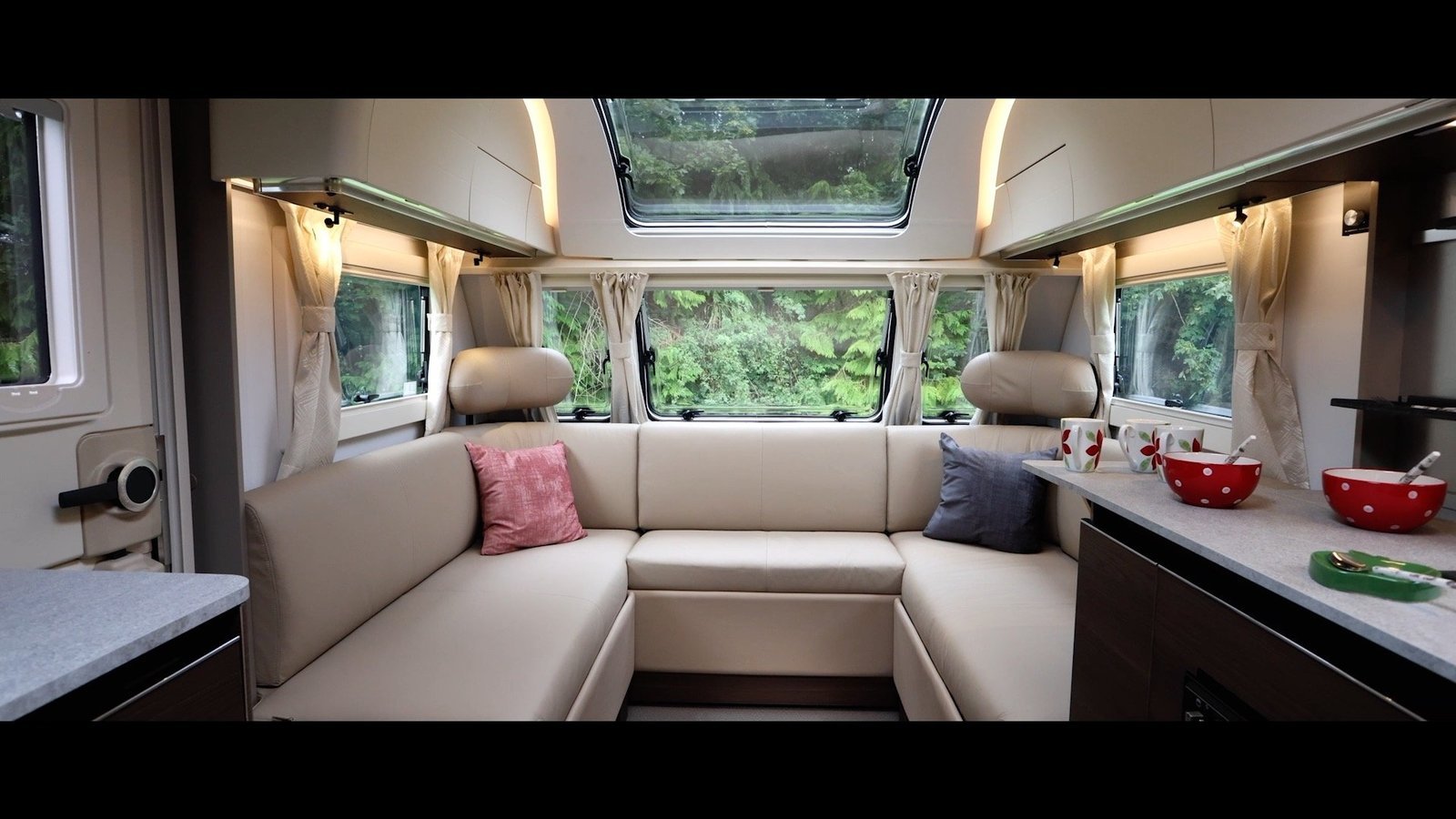
A traditional two-berth caravan remains an excellent choice for couples who want a compact and flexible touring space.
The front lounge commonly converts into a double bed or two single beds, allowing the rest of the caravan to be used for a kitchen, wardrobe and rear washroom.
A two-berth can be easier to tow, manoeuvre and store than a larger fixed-bed caravan. It may also provide a surprisingly spacious daytime lounge because the seating area performs two functions.
The main compromise is that the bed needs to be prepared each evening and returned to seating each morning. Couples who dislike that routine may prefer a compact four-berth with a permanent bed.
Do not dismiss a caravan simply because it has more berths than you require. A four-berth model may be the better two-person caravan where the additional berths create a fixed bed or larger dinette.
Best for everyday comfort: fixed-bed caravans
A fixed bed removes the need to convert the main lounge every night and can make the caravan feel more like a permanent holiday space.
Island beds allow access from both sides and often provide storage underneath. Transverse island beds run across the caravan, while longitudinal island beds run from front to rear.
French beds sit against a side wall and can use space efficiently, although access may be less convenient for one person. Fixed single beds provide straightforward access and can work particularly well for couples who prefer separate sleeping spaces.
Bed dimensions vary. Sit and lie on the bed where possible, check whether it retracts during the day and look at access to wardrobes, lockers and the washroom.
A permanent bed uses floor space throughout the day, so check that the lounge and kitchen remain sufficiently spacious for your needs.
- Feels more like a domestic bedroom
- Often includes substantial under-bed storage
- May require an eight-foot-wide or longer body
- Some designs retract to improve daytime access
- No climbing over another person
- Useful storage commonly sits beneath each bed
- Can create a clear central walkway
- Bed length should be checked carefully
Best for families: layouts with genuine living separation
A caravan advertised as a five- or six-berth is not automatically practical for a family of that size. The important question is how those occupants will live, sleep and store their belongings.
Permanent bunk beds can avoid rebuilding sleeping areas each night. A side dinette may provide a children’s eating or activity space during the day and convert into additional beds at night.
Larger family layouts may include separate rear bedrooms, fixed double beds or dividing doors. These features can improve privacy and allow adults to continue using the lounge after children have gone to sleep.
Storage and payload become especially important for families. Clothing, bedding, food, outdoor furniture and leisure equipment can quickly consume the available load allowance.
Ask everyone who will travel to sit inside the caravan at the same time. Open the washroom and kitchen doors, make up the beds and test whether movement becomes awkward when the caravan is fully occupied.
Best for maximum space: eight-foot-wide caravans
An eight-foot-wide caravan can provide a noticeably more generous interior. The difference may be felt in wider lounges, easier movement around fixed beds and better separation between kitchen, bedroom and washroom areas.
This extra space can be particularly appealing to families, couples taking longer trips and owners who use the caravan seasonally.
Greater width also requires practical consideration. Check storage access, driveway width, campsite pitches and your confidence when towing through narrow roads or entrances.
Wider caravans are often heavier, although weight varies considerably. Confirm the MTPLM, tow-car compatibility and licence implications before allowing the interior space to determine the decision.
A motor mover may be especially valuable for positioning a larger caravan, but its weight must be included within the payload calculation.
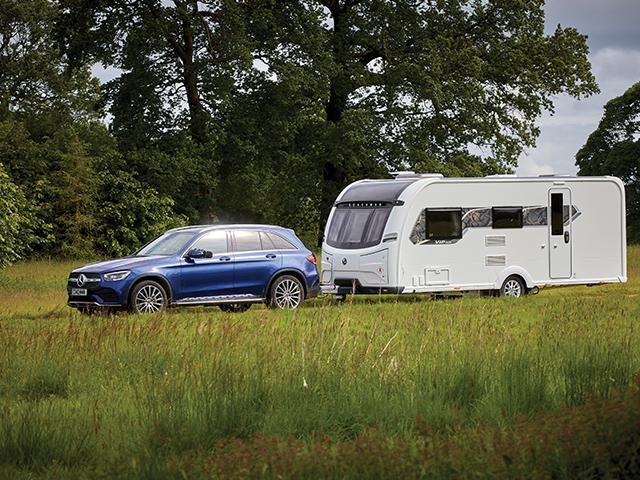
The best caravan must also suit your tow car
It is easy to become attached to a layout before checking whether the caravan is suitable for the intended tow vehicle.
The caravan’s MTPLM represents its maximum permitted laden mass. The tow car has its own maximum towing capacity, train weight and noseweight limits.
Legal limits are only part of the assessment. The weight and stability of the complete outfit, driving experience, payload and anticipated terrain should also be considered.
Use the figures for the exact vehicle rather than a generic model name. Different engines, gearboxes and trim levels can have different towing limits.
Remember that optional caravan equipment can reduce available payload. A motor mover, air-conditioning system, additional battery or upgraded accessories may add meaningful weight.
Confirm towing compatibility before paying a deposit or placing an order. Seek professional guidance where the figures are unclear.
Compare value rather than only the headline price
Two caravans with similar prices can include very different equipment. Compare heating, solar provision, motor movers, alarm systems, upholstery, entertainment preparation, payload upgrades and warranties.
Ask whether delivery, preparation, handover or essential equipment is included. A lower starting price can become less competitive once required options are added.
Equally, avoid paying for equipment you will rarely use. Premium finishes and technology may be attractive, but their value depends on your touring habits and ownership plans.
Your complete budget may also need to include insurance, annual servicing, storage, security products, accessories, campsite fees and finance costs.
Where finance is considered, compare the deposit, monthly payment, term and total amount payable. Finance is subject to status and applicable terms.
Should you buy in stock or order a 2026 model?
An in-stock caravan gives you the opportunity to inspect the exact vehicle before committing. It may also provide a more predictable collection timescale.
A model available to order may offer more choice of layout, upholstery, specification or optional equipment, depending on the manufacturer and order stage.
Ordering requires greater attention to estimated production and delivery times. These dates can change, so avoid making non-refundable travel plans until the handover is confirmed.
Ask whether the advertised model is physically present, already allocated, arriving soon or available only as a factory order.
At Caravans by Active Leisure, customer-facing availability is divided into clear categories: physical stock available now, models available to order and caravans coming soon.
A physical caravan currently held by the dealership, subject to its latest availability.
A current model that may be ordered rather than viewed as physical stock.
A caravan expected by the dealership but not necessarily ready for immediate viewing.
What to test during a caravan viewing
A specification sheet cannot show how comfortably you fit in the bed, whether the kitchen works for your height or how easy it is to move around when internal doors are open.
Sit in every main seating position. Check headroom, back support and whether the dining table can be used comfortably by the likely number of occupants.
Make up convertible beds and inspect permanent beds in their full night-time position. Open wardrobes, overhead lockers and under-bed storage.
Stand at the kitchen worktop and imagine preparing a complete meal. Check refrigerator capacity, worktop space and whether cupboard doors obstruct movement.
Enter the shower and close the washroom door. Check shoulder room, dressing space and access when another person is using the kitchen or bedroom.
Test every main lounge and dining position.
Check bed length, access and conversion.
Assess worktop, storage and appliance access.
Open doors and test the interior with several people.
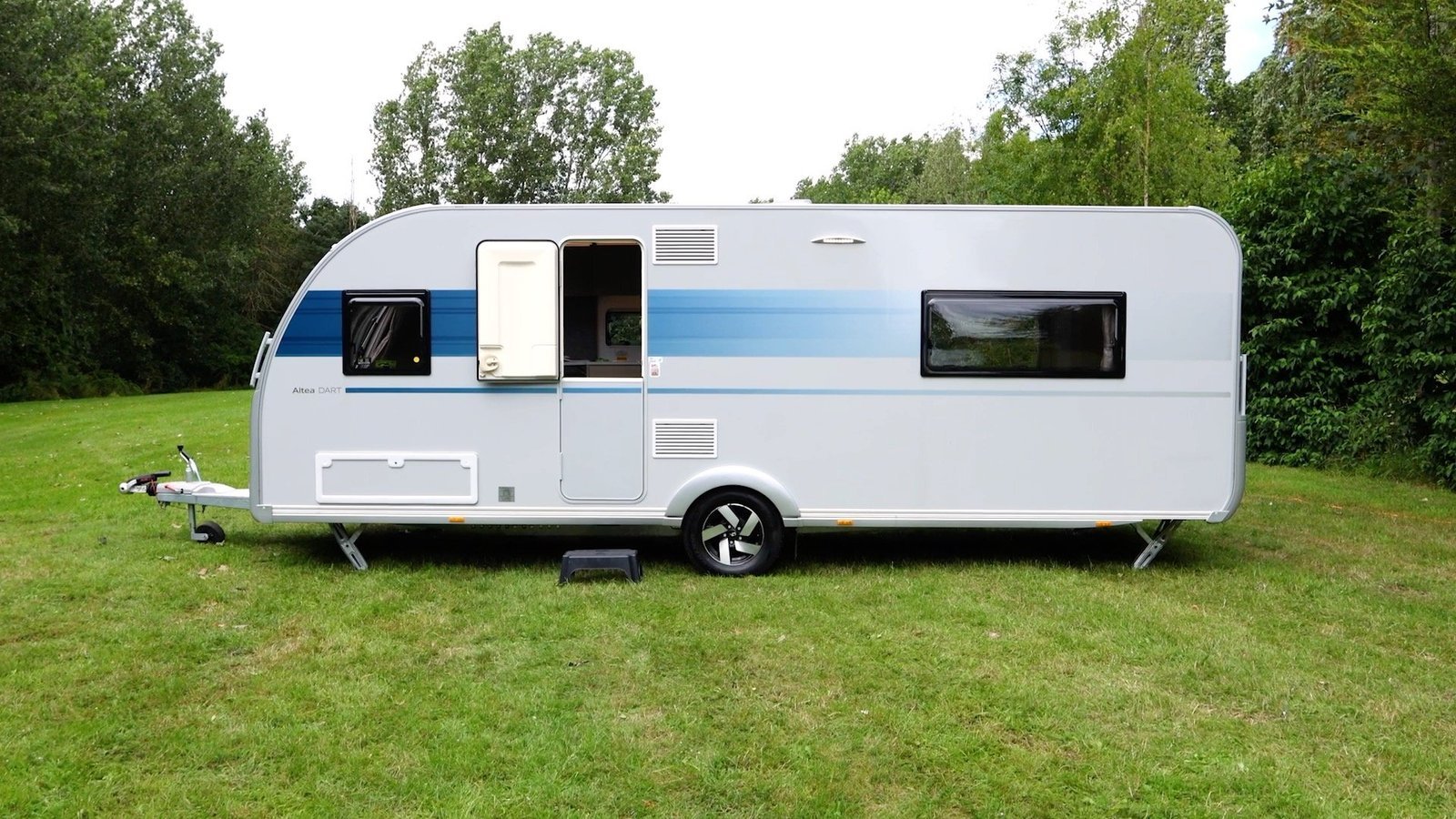
Which type of 2026 caravan might suit you?
Compare lightweight two-berths and compact four-berths with clear controls, useful payload and accessible aftercare.
A traditional two-berth maximises daytime space, while a fixed-bed four-berth reduces daily bed-making.
Bunks, side dinettes and separate sleeping areas can make everyday family touring much easier.
Larger lounges, fixed beds and generous washrooms may matter more where the caravan is used for extended trips.
A lighter single-axle caravan may be more convenient for regular site changes and narrower touring routes.
Look at heating, chassis equipment, storage, payload, warranty and long-term workshop support as well as the interior design.
Common mistakes when buying a new 2026 caravan
Attractive finishes cannot compensate for the wrong layout, insufficient payload or unsuitable weight.
Check how every bed is formed and whether the caravan remains practical when fully occupied.
Movers, batteries and other accessories may reduce the payload available for personal belongings.
Confirm whether the exact caravan is physical stock, incoming or available only as an order.
Review the deposit, term, interest and total amount payable alongside monthly affordability.
Understand who will maintain the caravan and manage any aftersales or warranty requirements.
Your 2026 new-caravan buying checklist
- Number of regular travellers
- Preferred bed arrangement
- Required washroom and kitchen space
- Length and type of planned trips
- Storage and driveway limitations
- Caravan MTPLM and MIRO
- Available user payload
- Tow-car limits and noseweight
- Single- or twin-axle preference
- Weight of chosen accessories
- Physical stock or factory order
- Included standard equipment
- Optional upgrades and their cost
- Estimated collection date
- Finance and part-exchange details
- Manufacturer warranty terms
- Annual servicing requirements
- Local workshop availability
- Handover and familiarisation
- Insurance, storage and security
Useful market and model information
This guide was reviewed using current 2026 industry, awards and manufacturer information. Specifications, prices, awards and model availability can change, so confirm details before placing an order.
The best 2026 caravan is the one that fits your real life
Awards, reviews and specification sheets can help narrow the market, but they cannot decide which caravan feels right for you.
Begin with the people who will travel, the holidays you plan to take, the tow car you own and the total budget available. Then compare layouts within the correct category.
View caravans in person, test the living space properly and confirm weights, payload, included equipment and availability before committing.
Caravans by Active Leisure offers new 2026 caravans available from physical stock and models available to order, supported by an experienced sales, workshop and aftercare team.