A Beginner’s Guide to Buying Your First Caravan
Buying your first caravan is exciting, but there is a lot to consider. This guide explains the key decisions so you can choose with greater confidence.
Your first caravan can open the door to weekends away, longer holidays and the freedom to explore at your own pace. It can also feel like a complicated purchase when you first begin researching layouts, towing weights, finance, servicing and accessories.
The good news is that you do not need to understand everything before visiting a dealership. A knowledgeable caravan team can help you compare models, explain the terminology and narrow down the options based on how you actually intend to travel.
The most important thing is to avoid choosing on appearance alone. The right caravan should suit your family, your tow car, your budget and the type of holidays you want to enjoy.
Start with these four questions
Begin with how you plan to use the caravan
Before comparing brands and models, think about the trips you want to take. A couple planning frequent short breaks may need something very different from a family preparing for two-week summer holidays.
Consider how many people will regularly travel, whether children need permanent beds and how much time you expect to spend inside. Some buyers prioritise a spacious lounge, while others would rather have a fixed bed, larger washroom or additional storage.
It is also worth thinking about where you will stay. Full-facility campsites may reduce the need for a large onboard washroom, while more independent touring could make water capacity, heating and battery power more important.
Decide which features you genuinely need before you begin looking. This makes it easier to avoid being distracted by a caravan that looks impressive but does not suit your trips.
Choose a layout that works in real life
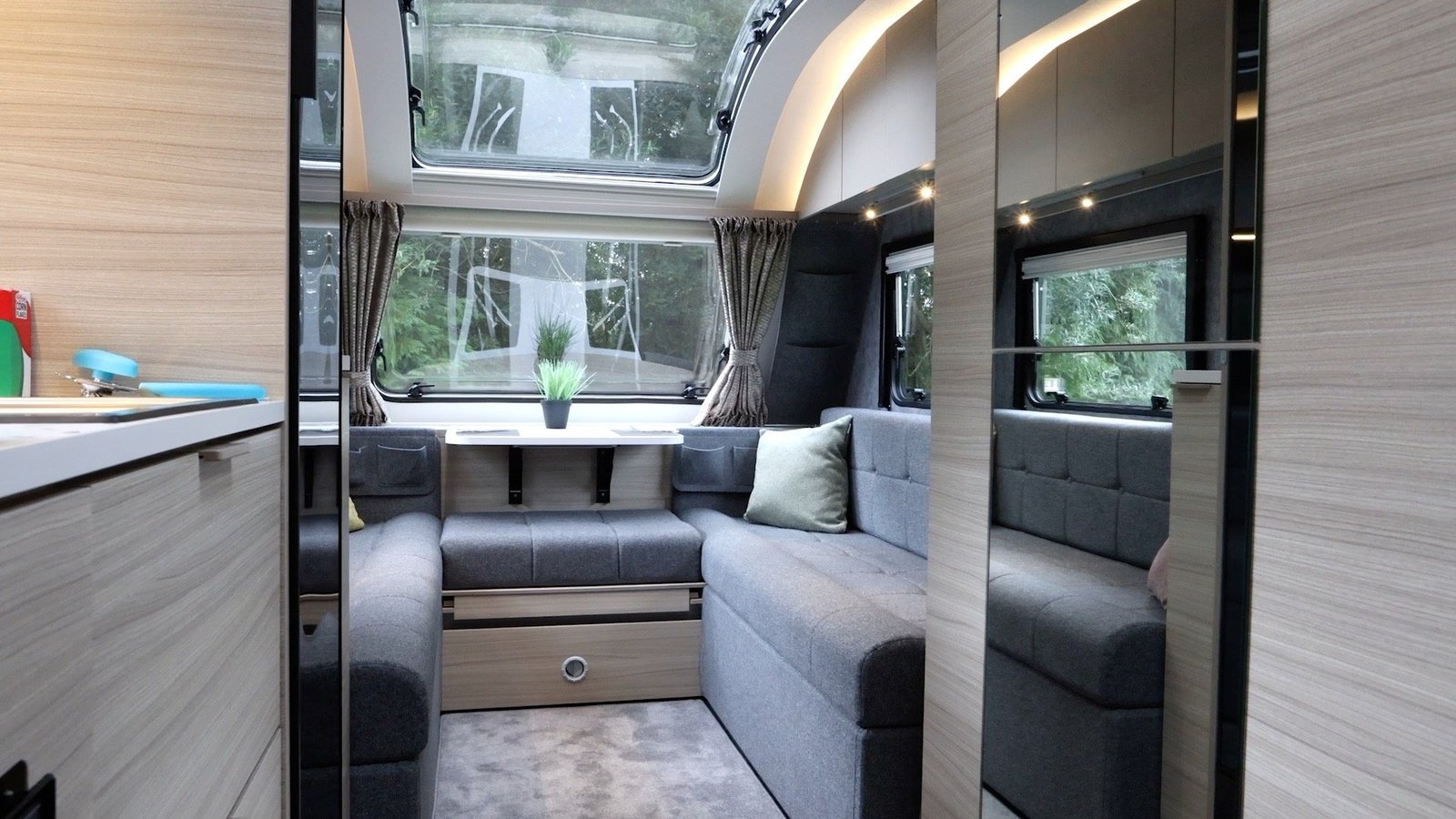
Layout is one of the biggest decisions when buying a caravan. Photographs can help, but walking through the interior is the best way to understand whether the space works for you.
Front lounges are common and may convert into a double bed. Fixed beds are convenient because they do not need to be assembled each evening, while island beds provide access from both sides. Family layouts may include bunk beds, side dinettes or separate sleeping areas.
Sit in the lounge, stand in the kitchen and open the cupboards. Check whether everyone can move around comfortably and whether the storage is practical for clothing, food, bedding and outdoor equipment.
Decide whether new or used is right for you
Both new and used caravans can be excellent choices for a first-time buyer. The right option depends on your budget, preferences and how quickly you want to begin touring.
A new caravan may offer the latest layouts, modern equipment, manufacturer warranty and the opportunity to choose a particular specification. It can also provide the reassurance of knowing that you are the first owner.
A used caravan may provide more space or equipment for the same budget. Condition, service history and maintenance become particularly important, so it is sensible to buy from a reputable dealership and ask what checks or preparation have been completed.
- Latest layouts and features
- Manufacturer warranty
- No previous ownership history
- Possible choice of specification
- Lower initial purchase price
- More equipment for the budget
- Models may be available immediately
- Wider choice across different years
Understand towing weights before you buy
Your tow car and driving licence can affect which caravans are suitable. This is an area where first-time buyers should take particular care, because the terminology can initially be confusing.
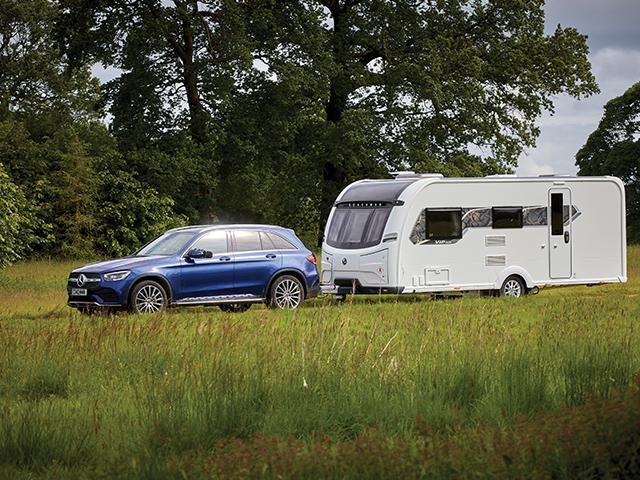
The caravan’s MTPLM is its maximum permitted laden weight. Your car will also have a maximum towing capacity, and the combined outfit must remain within the limits that apply to your vehicle and licence.
A legal towing limit does not automatically mean a particular combination will feel comfortable or well matched. Vehicle weight, engine performance, payload and stability all matter. Always check the official figures for your exact car and seek professional guidance when necessary.
Do not rely only on a registration lookup or a generic online figure. Different engine, gearbox and trim versions of the same car may have different limits.
Plan for more than the purchase price
Your budget should include the caravan itself and the wider costs of ownership. These may include insurance, annual servicing, storage, security equipment and campsite fees.
First-time buyers may also need accessories such as a water container, waste carrier, electrical hook-up cable, gas bottle, leisure battery, towing mirrors, levelling equipment and steps. Some caravans may already include several of these items, while others will not.
Optional equipment such as a motor mover, awning or solar panel can make ownership easier, but it is not always necessary to purchase everything immediately. Start with the essentials and add items as you learn how you use the caravan.
Finance may help spread the purchase cost and is subject to status and terms. Compare the deposit, repayment period, total amount payable and monthly affordability rather than looking only at the headline monthly figure.
Inspect the caravan carefully
Whether you are buying new or used, spend time examining the caravan properly. Check the exterior panels, windows, tyres, storage lockers and coupling area. Inside, look at the upholstery, cupboards, flooring, appliances and washroom.
Damp is a particularly important consideration with used caravans. Ask whether a damp check has been completed and whether a recent service or habitation inspection is available.
Test how the beds are assembled, ask for appliances and controls to be demonstrated and make sure you understand what is included in the sale. Do not be afraid to ask questions. A good dealership should be willing to explain the caravan clearly.
Consider servicing and aftercare
A caravan needs regular care to remain safe, comfortable and in good condition. Annual servicing may include checks of the chassis, brakes, tyres, gas, water and electrical systems.
Ask where the caravan can be serviced, how warranty work is handled and whether the dealership has its own workshop. Having sales and aftercare support in one place can be especially reassuring for a first-time owner.
It is also useful to know who to contact if you have questions after collection. Small uncertainties are normal when learning a new caravan, and access to an experienced team can make the first few trips much easier.
Make the most of your handover
A proper handover should explain the important systems and controls before you leave. This may include the heating, water supply, electrical system, refrigerator, cooker, toilet, battery and security equipment.
Take notes or record short videos on your phone, with permission, because it can be difficult to remember every detail later. Check where the manuals, keys and documents are kept and confirm the recommended servicing schedule.
Before towing away, make sure you understand how to hitch and unhitch safely, connect the electrics, use the jockey wheel and check the breakaway cable.
Keep your first trip simple
Your first outing does not need to be a long holiday. A nearby campsite can provide the ideal opportunity to practise setting up, using the equipment and organising the interior.
Arrive during daylight if possible and allow plenty of time. You will quickly learn which items are useful, where everything should be stored and which routines make arriving and leaving easier.
A short first trip also means that any questions or minor issues can be addressed before you travel further afield.
Common first-time buying mistakes to avoid
A stylish interior is appealing, but the layout, weight and practicality matter more over time.
Confirm the legal and practical towing suitability before committing to a caravan.
Allow for servicing, insurance, storage, accessories and campsite fees.
Begin with essential equipment and add extras once you know what your trips require.
Spend time inside, test the layout and ask for controls and equipment to be demonstrated.
Consider where servicing, repairs and warranty support will be handled after the purchase.
Take your time and choose with confidence
Buying your first caravan should feel exciting rather than overwhelming. Begin with your travel plans, compare layouts, check towing suitability and build a realistic ownership budget.
The right dealership will help you understand the options rather than pressure you into a quick decision. At Caravans by Active Leisure, our team can help you explore new and used caravans, discuss finance or part exchange and understand the support available through our workshop.