


Beginner’s Guide to Winter-Ready Caravan Care
Cold weather can be hard on a caravan, but a little preparation can help protect its water system, battery, tyres, bodywork and interior throughout the winter months.
Winter caravan care is not simply about covering the caravan and leaving it untouched until spring. Cold temperatures, standing water, damp, low battery charge and long periods without movement can all create avoidable problems.
Preparing a caravan properly can reduce the risk of frost damage, unpleasant smells, mould, battery failure and deterioration during storage. It also makes returning to touring much easier when the warmer weather arrives.
The exact winterisation process will depend on your caravan, its equipment and whether it will remain in use. Always follow the instructions supplied by the caravan and appliance manufacturers, particularly for heating, water, electrical and gas systems.
This beginner-friendly guide covers the main areas to inspect and prepare, helping you create a practical winter care routine without becoming overwhelmed.
Focus on these four priorities
Decide how the caravan will be used or stored
Your winter care plan begins with one important question: will the caravan be used during winter, or will it remain stored for several months?
A caravan that will continue to be used needs to remain fully operational, with its heating, water and electrical systems managed appropriately between trips. A caravan entering longer-term storage will normally require a more complete drain-down and preparation process.
Consider where it will be kept. A caravan stored at home may be easier to inspect regularly, whereas a storage facility may have its own access, security and maintenance rules.
Make a note of the date the caravan was prepared, any work that needs completing and when you intend to inspect it again. A simple written checklist can prevent important jobs from being forgotten.
Record which taps, valves, switches and appliances have been dealt with. Keep the checklist inside the caravan so it is available when you prepare for your next trip.
Give the caravan a thorough clean first
Cleaning before storage is about more than appearance. Food crumbs, damp fabric, residue and dirt can encourage odours, mould and pests when the caravan remains closed for long periods.
Remove all food, including tins, packets and items stored in less obvious cupboards. Empty the refrigerator and freezer, clean them thoroughly and leave their doors secured slightly open in accordance with the appliance instructions.
Wipe down kitchen surfaces, the washroom, cupboards, lockers and storage spaces. Vacuum the floors, seating and corners carefully, paying attention to areas where crumbs or moisture may collect.
Ensure fabrics are dry before closing the caravan. Damp towels, bedding or cleaning cloths should never be left inside during storage.
Drain the water system carefully
Water expands when it freezes. Even a relatively small quantity left inside a pipe, tap, pump, filter or water heater may cause damage during very cold weather.
Follow the specific drain-down instructions for your caravan and its appliances. This will usually involve switching off the water heater, opening the appropriate drain valves, disconnecting or emptying water containers and opening the taps.
Taps may need to be positioned so both hot and cold sides can drain. Shower heads and hoses should also be emptied, and removable filters may need to be taken out or replaced according to their manufacturer’s guidance.
Do not assume that opening one drain valve has removed every drop from the system. Pipe layouts and appliance arrangements vary between caravans, which is why the handbook instructions are so important.
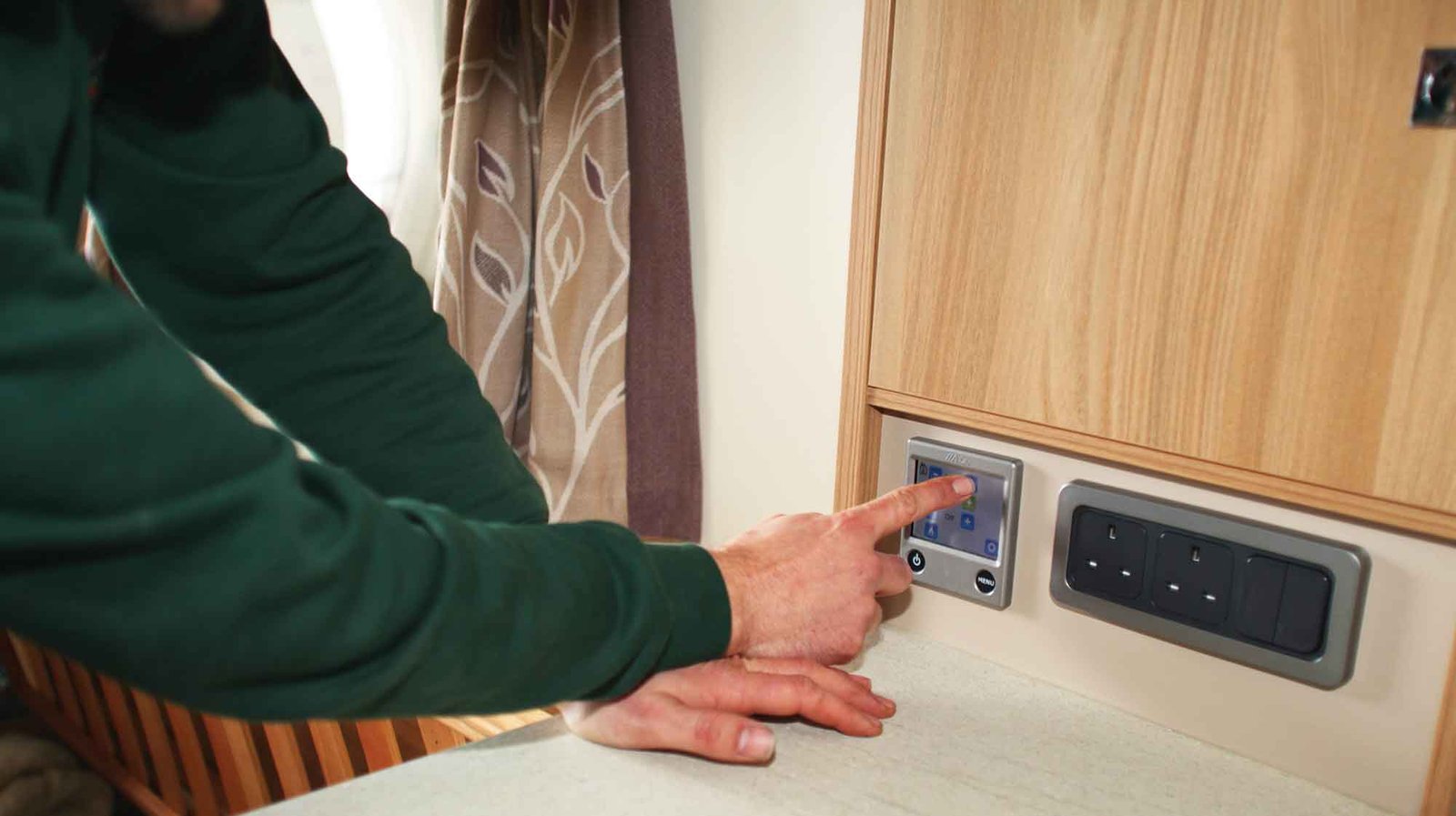
Water heaters and combination heating systems have model-specific draining instructions. Incorrect handling could leave water trapped inside or damage components.
Prepare the toilet and washroom
Empty and clean the toilet cassette before storage. Rinse it as recommended by the manufacturer and ensure the associated flush system is also dealt with correctly.
Some toilet systems contain a separate flush-water tank, while others draw from the caravan’s main water supply. The correct winterisation process will depend on the system fitted.
Clean the shower tray, basin, taps and seals, making sure the area is dry. Leave cupboards and washroom doors positioned to encourage airflow where it is safe and practical to do so.
Avoid using unsuitable household chemicals in caravan toilet or water systems. Only use products approved for the relevant equipment.
Look after the leisure battery
A leisure battery will gradually lose charge even when it is not actively being used. Alarm systems, trackers and other equipment may also continue drawing power.
Allowing a battery to remain deeply discharged for an extended period can reduce its performance and may cause permanent damage. Check the battery condition and follow the manufacturer’s advice for charging and winter storage.
Depending on the caravan and storage arrangements, the battery may remain connected, be isolated or be removed and stored elsewhere. Before disconnecting anything, consider whether the caravan’s alarm, tracker or security equipment requires a power supply.
If the battery is removed, store it securely in a suitable, ventilated location away from flames, heat sources and children. Use an appropriate charger and never improvise with incompatible equipment.
Alarm systems, trackers, control panels and USB equipment may continue using electricity even when most of the caravan appears to be switched off.
Make the gas system safe
Turn off gas appliances fully and close the cylinder valves when the caravan is not being used. Follow the caravan and appliance manufacturers’ instructions regarding disconnection and storage.
Gas cylinders must remain upright, secure and appropriately ventilated. Do not place loose equipment around the cylinder locker that could obstruct vents, regulators or pipework.
Never attempt to repair, alter or test gas components unless you are properly qualified. If you notice damage, unusual smells, corrosion or concerns about the regulator or pipework, arrange a professional inspection.
Gas appliances should be checked as part of the caravan’s regular servicing and habitation care routine.
Encourage ventilation and reduce condensation
Moisture can become trapped when a caravan remains closed for long periods. This may lead to musty smells, surface condensation and mould growth.
Never block the caravan’s permanent ventilation points. They are part of the safety and airflow design of the vehicle and must remain clear.
Open internal cupboard and locker doors where suitable so air can circulate. Move removable cushions away from cold exterior walls and stand them upright if the manufacturer’s guidance and available space allow.
Mattress sections may also benefit from being lifted or separated to improve airflow underneath. Remove bedding, towels and other items that can absorb moisture.
Moisture traps may help in some situations, but they are not a replacement for proper ventilation, regular inspection or dealing with an existing water leak.
Inspect the roof, seals and exterior
Walk around the caravan and look for damaged sealant, cracked plastic, loose trim, blocked outlets and signs of impact or water entry.
Check rooflights, windows, doors, locker seals and service points. Remove leaves and debris from areas where water should drain away, taking care not to damage sealant or fittings.
Clean the body using products designed for caravans. Strong household detergents, abrasive brushes and unsuitable pressure washing may damage finishes or force water into seals.
Where possible, inspect the roof safely from an appropriate platform rather than climbing directly onto it. Caravan roofs are not all designed to support a person’s weight.
Any suspected leak should be investigated promptly. Covering the symptom or applying random sealant may trap moisture and make the eventual repair more difficult.
Check the tyres and parking position
Tyres can lose pressure during storage, and remaining in one position for a long period may place repeated stress on the same area.
Inspect the tyres for cracking, damage and embedded objects. Check the pressures against the figures recommended for the caravan and tyre specification.
Do not rely only on tread depth. Caravan tyres may require replacement because of age or deterioration even when the tread appears substantial.
Ensure the caravan is positioned securely and cannot roll. Follow the manufacturer’s storage guidance regarding the handbrake, wheel chocks, corner steadies and movement of the wheels during longer storage periods.
Keep the jockey wheel and steadies on firm, suitable supports where necessary. The caravan should remain level enough to prevent water collecting where it should not.
Review security before leaving it stored
Winter storage can mean fewer people visiting the caravan, so it is important to check that locks, alarms and tracking devices are operating correctly.
Use suitable security products for the caravan, which may include a hitch lock, wheel lock, alarm or tracker. Confirm that any insurance conditions relating to storage or security are being met.
Remove valuables and do not leave documents, keys or personal information inside. Curtains and blinds should be positioned according to your security needs and the manufacturer’s advice.
If the caravan is stored away from home, understand the site’s access arrangements and emergency contact process.
Use a caravan cover carefully
A breathable caravan cover can help protect the exterior from dirt, tree residue and weather exposure, but it must be the correct type and size.
A loose or poorly fitted cover may move in strong winds and rub against windows, trims and painted surfaces. Before fitting one, ensure the caravan is clean so trapped dirt cannot act as an abrasive.
Secure the cover using its intended fastening system and check it regularly. Do not block essential ventilation points, appliance outlets or areas that the manufacturer states must remain clear.
Avoid using an ordinary plastic tarpaulin as a substitute. It may trap moisture, restrict airflow and cause damage as it moves.
Inspect the caravan throughout winter
Winter preparation is not a job that should be completed once and then forgotten. Visit the caravan periodically, particularly after storms, prolonged rain or freezing conditions.
Look for signs of water entry, condensation, unusual smells, movement of a cover, tyre pressure loss, animal activity or security concerns.
Check that drainage points and permanent vents remain clear. Inspect the battery condition where appropriate and confirm that alarms or tracking devices are still operating.
Catching a small issue early can prevent it becoming a larger and more expensive repair by spring.
Prepare carefully before the first spring trip
When winter ends, do not simply refill the water system, reconnect the battery and tow away. Give the caravan a complete inspection before returning it to use.
Reconnect and commission systems according to their instructions. Check for leaks as the water system is refilled, inspect the tyres and lights and confirm that heating, electrical and gas appliances operate correctly.
Review the service history and arrange any annual servicing, habitation checks or maintenance that is due. Gas, electrical, braking and chassis work should be completed by appropriately qualified or approved professionals.
Repack essential equipment gradually and check its condition rather than assuming everything stored from the previous season remains suitable.
Common winter caravan care mistakes
Trapped water can freeze and damage taps, pipes, pumps or appliances.
Permanent vents are essential and should never be covered or sealed.
A leisure battery left deeply discharged may lose performance or fail.
Wet bedding, towels and cushions can encourage mould and stale odours.
Plastic sheets and poorly fitted covers may trap moisture or damage surfaces.
Storm damage, leaks and security issues can worsen when left undiscovered.
A little winter preparation can prevent major problems
Preparing a caravan for winter does not need to be complicated, but it does require a methodical approach. Remove standing water, clean and dry the interior, maintain ventilation, protect the battery and inspect the exterior, tyres and security equipment.
Continue checking the caravan during storage and follow the manufacturer’s instructions for every fitted system. Where you are uncertain, seek advice rather than risking damage through trial and error.
The Active Leisure workshop team can assist with servicing, habitation care, repairs and seasonal preparation, helping you keep your caravan ready for the journeys ahead.